Red head thoriated tungsten electrode (WT20)
Currently the most stable and widely used tungsten electrode is mainly used in the welding of carbon steel, stainless steel, silicon copper, copper, br...
There are three types of underwater welding: dry method, wet method and partial dry method.
Dry welding
This is a method in which a large air chamber is used to cover the weldment, and the welder ...
First, Welding cracks and pores are generated.
The moisture absorbed by the welding rod becomes gas under the action of the welding arc heat, which decomposes hydrogen, resulting in the formation ...
There is no difference in process between full argon arc welding and argon arc welding. Full argon arc welding is suitable for thin-walled small-diameter pipes (generally DN60 and below, wall thick...
I. What is welding arc blow?
Welding arc blow refers to the phenomenon that the arc deviates from the original axis direction of the electrode or electrode during the welding process, which wi...
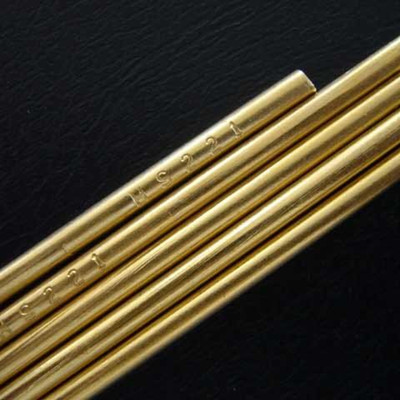
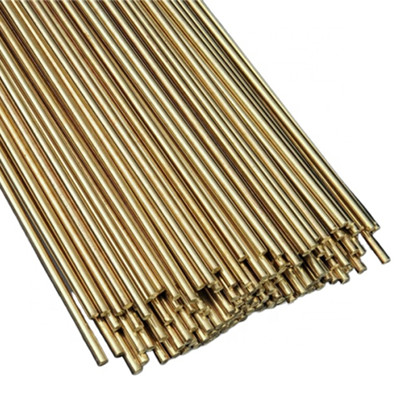
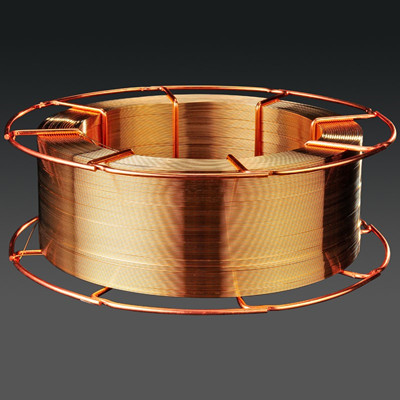
The thermal conductivity of copper and copper alloys is more than 5 times that of carbon steel. Welding is prone to pores, lack of fusion, and thermal cracks. The selection of welding wire direc...