Introduction
Aluminum welding requires the right filler material to ensure strong, crack-free joints and excellent corrosion resistance. Among the most widely used aluminum welding rods are E4043...
According to the chemical composition of steel, it can be divided into two categories: carbon steel and alloy steel. Carbon steel is further divided into: ① low carbon steel, with a carbon conte...
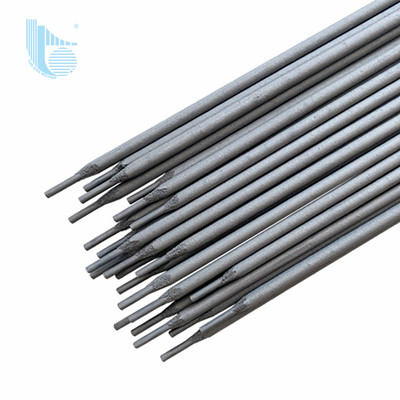
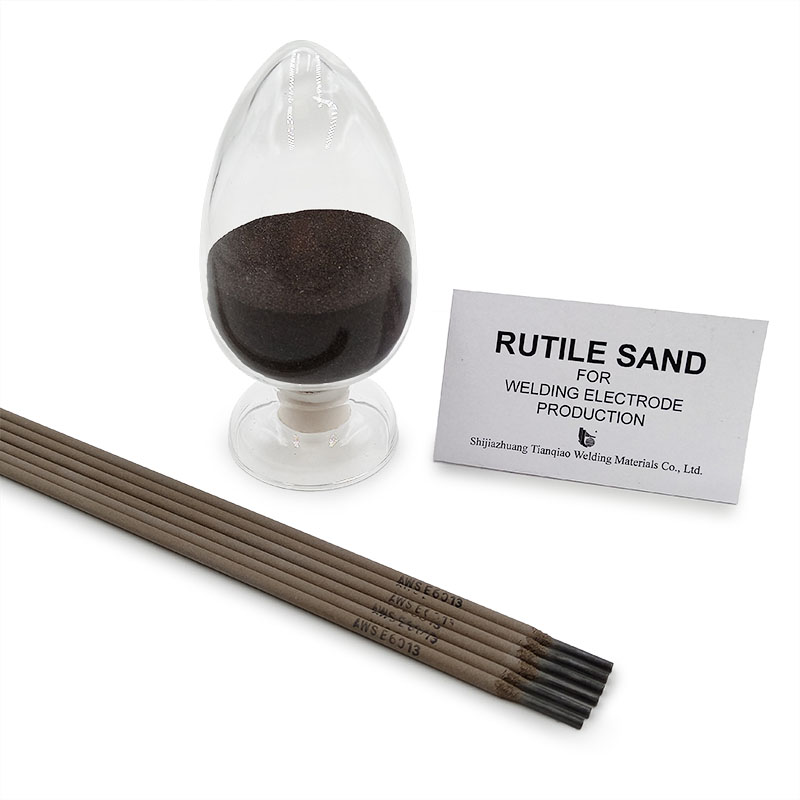
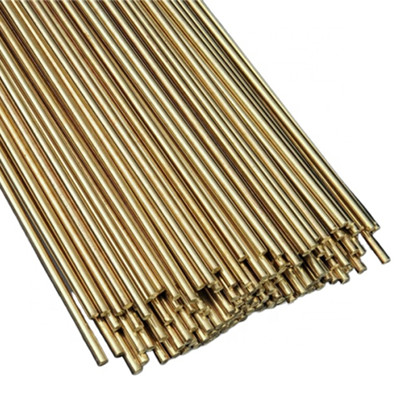
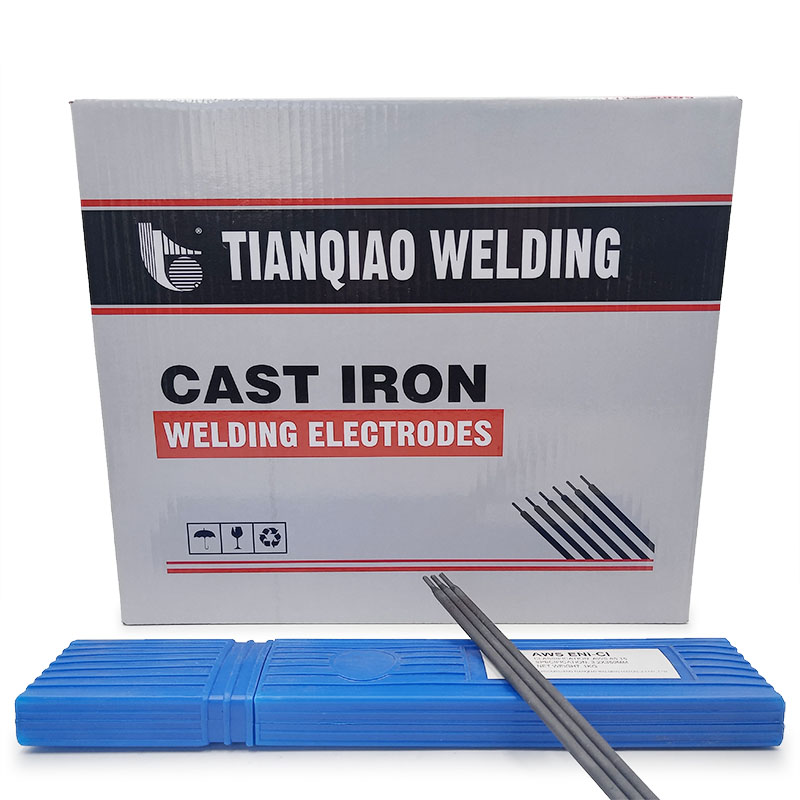
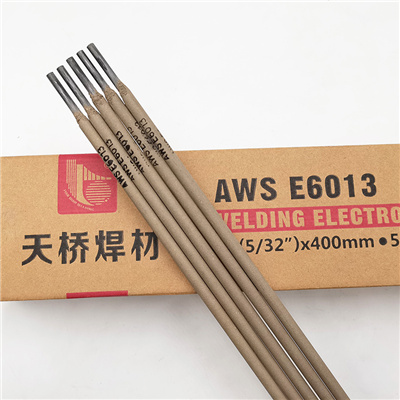
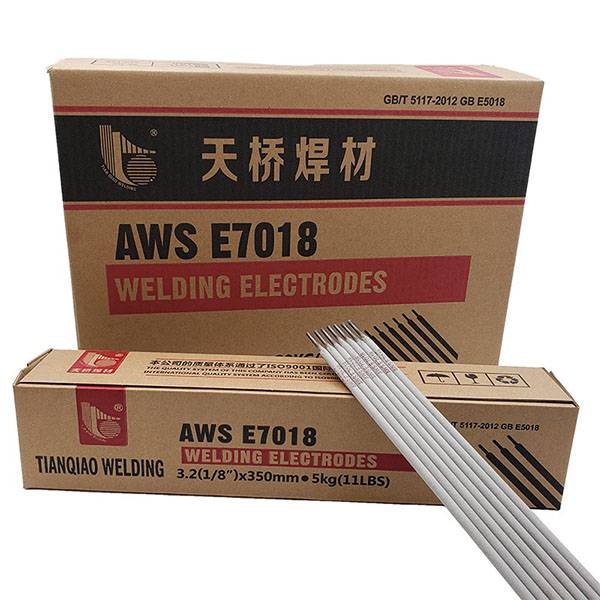
The welding electrode is a metal rod that is melted and filled at the joint of the welding work-piece during gas welding or electric welding. The material of the electrode is usually the same as th...
Welding stress and distortion is the stress generated in welded components due to welding. It includes internal stresses generated during the welding process and changes in shape and size cause...
Many welding problems that show up on the shop floor—poor bead appearance, porosity, cracking—are often traced back to one overlooked factor: how the consumables were stored before they ever rea...
TIG spot welding (also known as gas tungsten arc spot welding) is a specialized technique that uses a tungsten electrode to generate an arc that melts a localized area of overlapping metal sheets,...