
The primary function of welding shielding gases is to isolate the weld pool from the atmosphere, stabilize the arc, control penetration depth, and enhance overall weld quality. Conversely, selecting the wrong gas leads directly to defects such as porosity, cracking, embrittlement, and insufficient mechanical strength. This article provides a systematic overview of the fundamentals of shielding gases, selection principles, and recommended gas mixtures tailored to various welding processes and materials—serving as a direct reference for welders, process engineers, and quality control personnel alike.
1. Shielding Gas Fundamentals
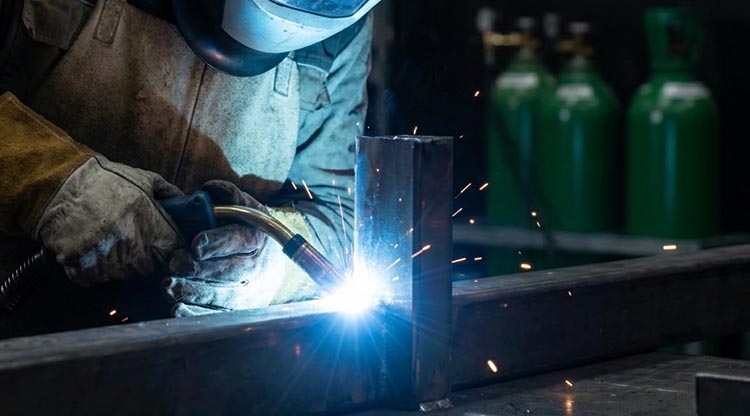
Shielding gases are broadly categorized into two types: inert and active. Their purpose is to protect the molten weld pool from contamination by oxygen, nitrogen, and moisture. A lack of adequate shielding results in porous and brittle welds, as well as a degradation of mechanical properties.
2. Gas Selection Principles
| Category | Recommended Gas |
|---|---|
| Carbon Steel | CO₂ or Argon + CO₂ |
| Stainless Steel | Argon + CO₂ or Pure Argon |
| Aluminum | Argon, or Argon + Helium |
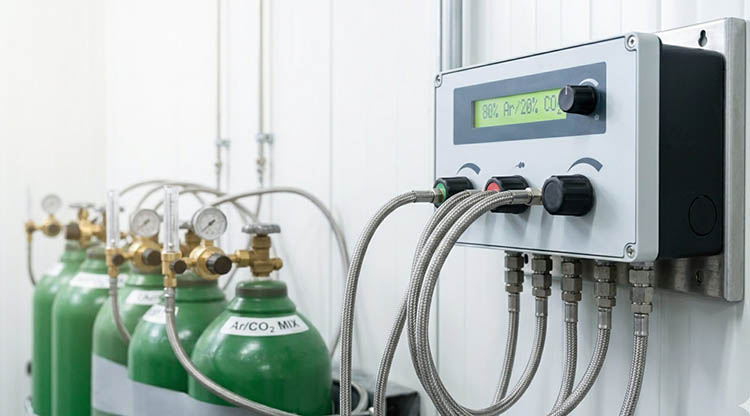
| Welding Process (MIG) | Argon mixtures or CO₂ |
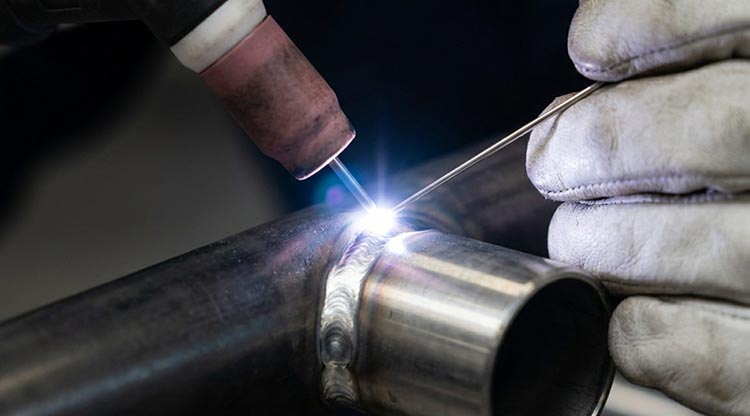
| Welding Process (TIG) | Argon or Helium |
| Penetration Depth | CO₂ deepest | Argon moderate | Helium relatively high |
3. Key Points
Compatibility: The shielding gas must be compatible with the base metal and the welding process.
High Argon Content: Results in smoother weld beads and less spatter.
CO₂ / Helium: CO₂ offers strong penetration, while helium provides the highest heat input.
Thin Plate: Use Argon to prevent burn-through.
Thick Plate: Use CO₂ or Helium mixtures to increase penetration depth.
Cost: CO₂ is the lowest in cost; Argon and Helium are more expensive.
4. Shielding Gas Suitable for All Types of Welding
GTAW (TIG) Shielding Gas Recommendations
GMAW (MIG) Shielding Gas Recommendations
FCAW (Flux-Cored Arc Welding) Shielding Gas Recommendations
Selecting the correct shielding gas can reduce weld defects by half; only when the process, material, and thickness are properly matched can stable weld formation and required strength standards be achieved.
Post time: Jun-02-2026