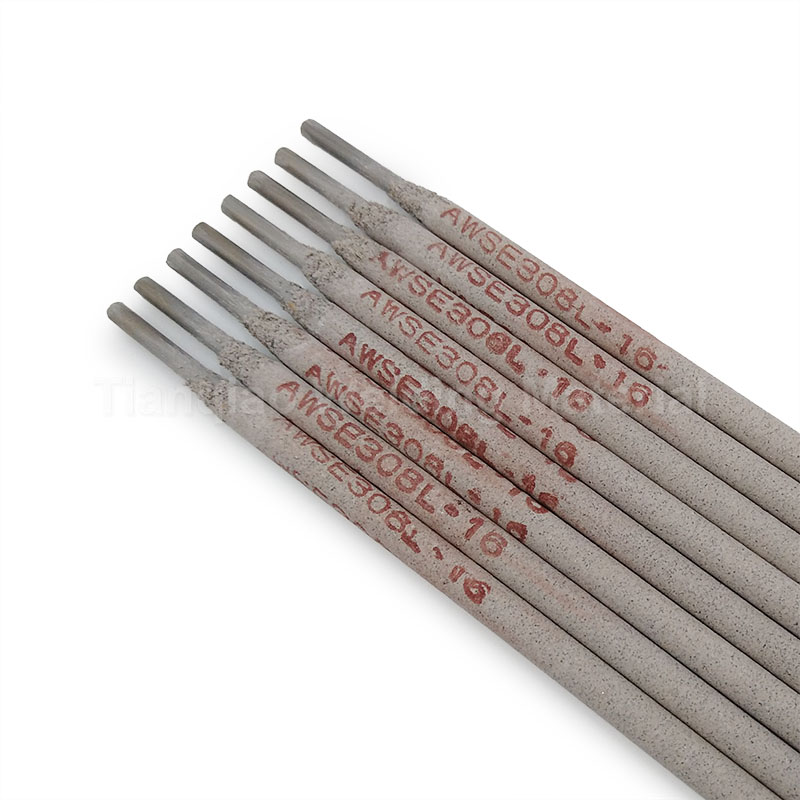
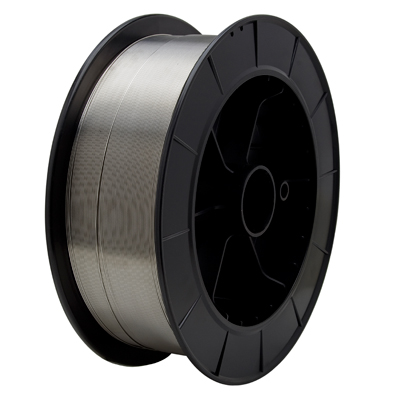
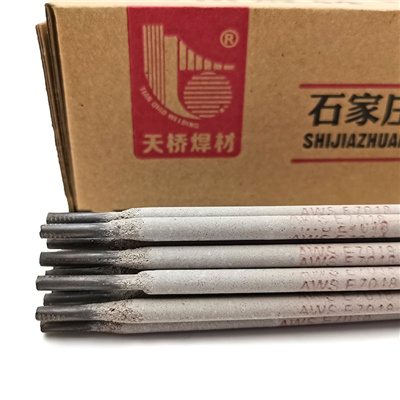
304 stainless steel (GB/T 06Cr19Ni10) is the most widely utilized type of chromium-nickel stainless steel. As a versatile material, it exhibits excellent corrosion resistance, heat resistance, low...
Welding work involves many industrial fields, welding fume is one of the most common hazards of welding work.
Welding fume is in the welding process when the welding rod and welding parts in contac...
Among welding methods, Tungsten Inert Gas Welding (TIG) and Shielded Metal Arc Welding (SMAW)—commonly referred to as “Arc Welding”—are the two most prevalent processes. Those unfamil...
The primary function of welding shielding gases is to isolate the weld pool from the atmosphere, stabilize the arc, control penetration depth, and enhance overall weld quality. Conversely, select...
Fillet welds are the most important form of welds in T-shaped joints, lap joints, and corner joints. They are widely used in steel structures, equipment racks, pipeline supports and hangers, and ...
1. Core principle: Why must we use argon?
During the welding process, the metal is like red-hot iron at high temperatures. If it is not protected, it will immediately combine with the oxygen and ...