
One of the most frustrating moments for a beginner welder is striking an arc only to have the electrode stick to the workpiece. It sticks, glows red, and you scramble to twist it free. Don’t worry — every welder has been there. Understanding why it sticks and how to start the arc properly will save you time and frustration.
Why does the electrode stick?
Sticking happens when the electrode touches the workpiece but the arc doesn’t establish. The tip of the electrode fuses to the metal. Common causes include: arc length too short (electrode pressed into the plate), current too low (not enough heat to vaporize the tip and create the arc), dirty surface (rust or mill scale blocks the electrical path), or using an electrode that doesn’t match the machine’s polarity.
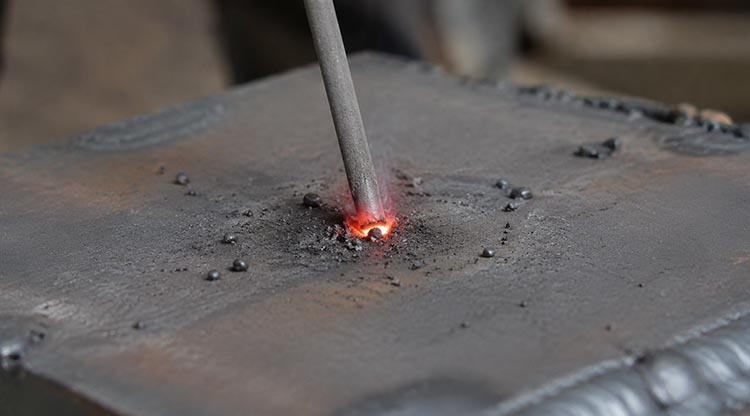
The right way to strike an arc
There are two tried-and-true methods for starting a stick arc: the scratch method and the tap method.
Scratch method (recommended for beginners)
Hold the electrode at about 15-30 degrees to the plate. Lightly drag the tip across the surface like striking a match. As soon as a spark appears, lift the electrode slightly to establish a short arc (about 2-3mm gap). This method gives you more control and reduces sticking.
Tap method
Lower the electrode straight toward the plate and quickly tap the tip against the surface, then immediately lift back. It’s like tapping a hot stove. This method is faster but requires good timing. If you leave the electrode on the plate too long, it will stick.
Adjust your current – it matters
If your electrode sticks often even with good technique, the current may be too low. Low current fails to melt the tip instantly, so the electrode just welds itself to the plate. Bump up your amperage by 10-15A and try again. For a 3.2mm E6013 electrode on flat plate, try 110-130A. For 2.5mm, 70-90A. If the rod glows red but still sticks, increase current further. Too high current will cause spatter and undercut, so find the sweet spot.
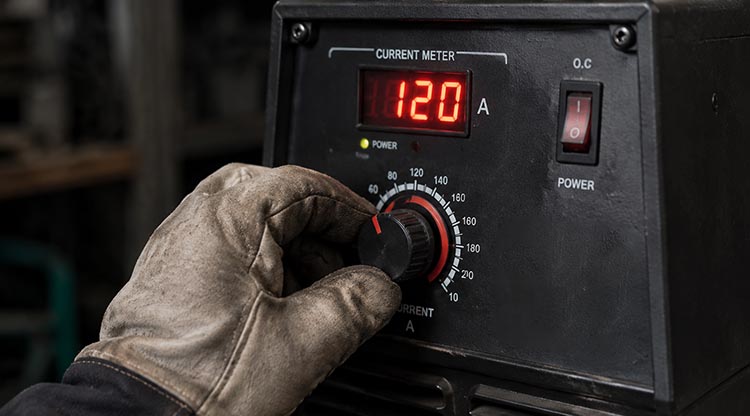
Keep the workpiece clean
Rust, paint, oil, and mill scale are poor conductors. They also cause erratic arcing and sticking. Always clean the weld area down to bright metal using a grinder or wire brush. A clean surface makes arc starting much easier and also reduces porosity.
Stick electrode stuck? What to do
Don’t panic. Twist the electrode holder gently back and forth to break the tip free. If that fails, release the electrode from the holder, use pliers to twist the stuck rod off the plate, then insert a new rod. Never pull the electrode holder while stuck — you’ll damage the cable or hurt yourself. Also, if the rod sticks and glows, the coating may burn. Discard that electrode and use a fresh one.
Practice makes perfect
Grab some scrap plate, set your current a little higher than you think you need, and practice striking arcs repeatedly. Use both scratch and tap methods. Within twenty strikes, you’ll develop the feel. Remember: quick, light, controlled. Don’t jab the rod hard into the plate — that’s a guaranteed stick.
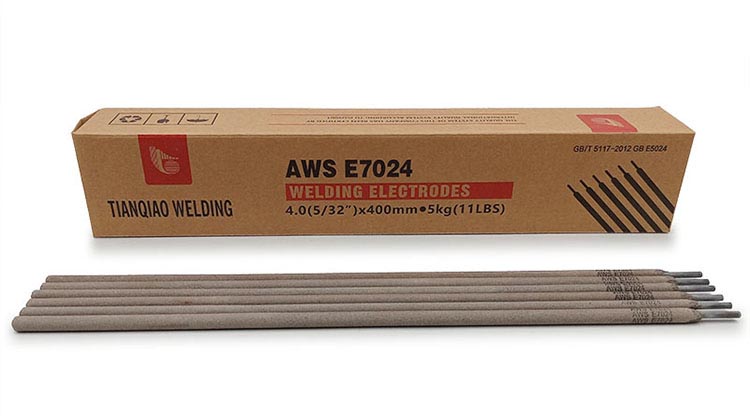

If you’re welding pipe or awkward positions, try striking the arc on a scrap tab or on the bevel edge rather than directly on the joint bottom. This helps prevent sticking in tight areas.
Post time: Jun-26-2026