Welding defects can be divided into two main categories based on their location in the weld: internal defects and external defects.
External defects are located on the outer surface of the weld an...
First, Welding cracks and pores are generated.
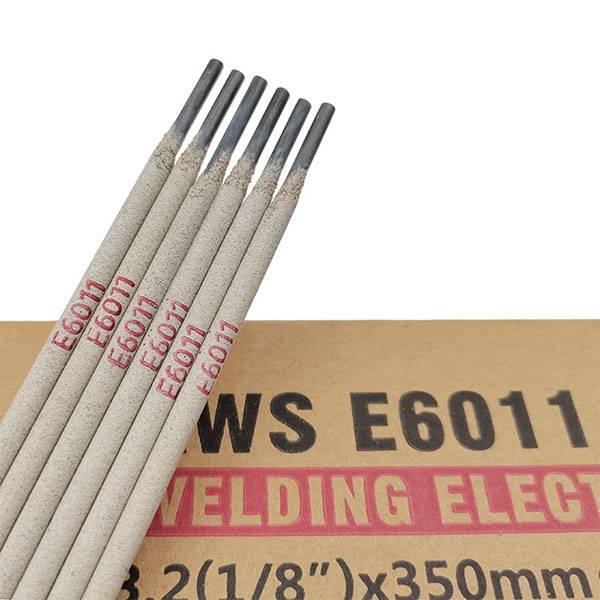
The moisture absorbed by the welding rod becomes gas under the action of the welding arc heat, which decomposes hydrogen, resulting in the formation ...
– FLUX–
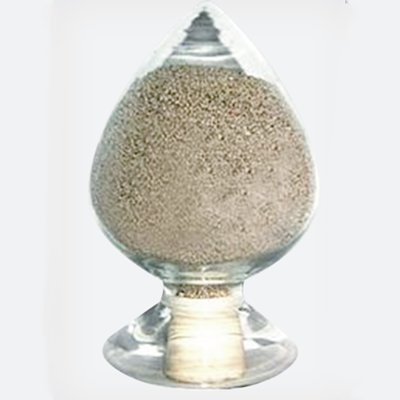
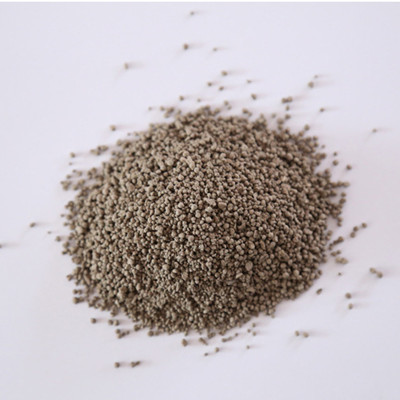
Flux is a granular welding material. During welding, it can be melted to form slag and gas, which plays a protective and metallurgical role on the molten pool.
Constituent...
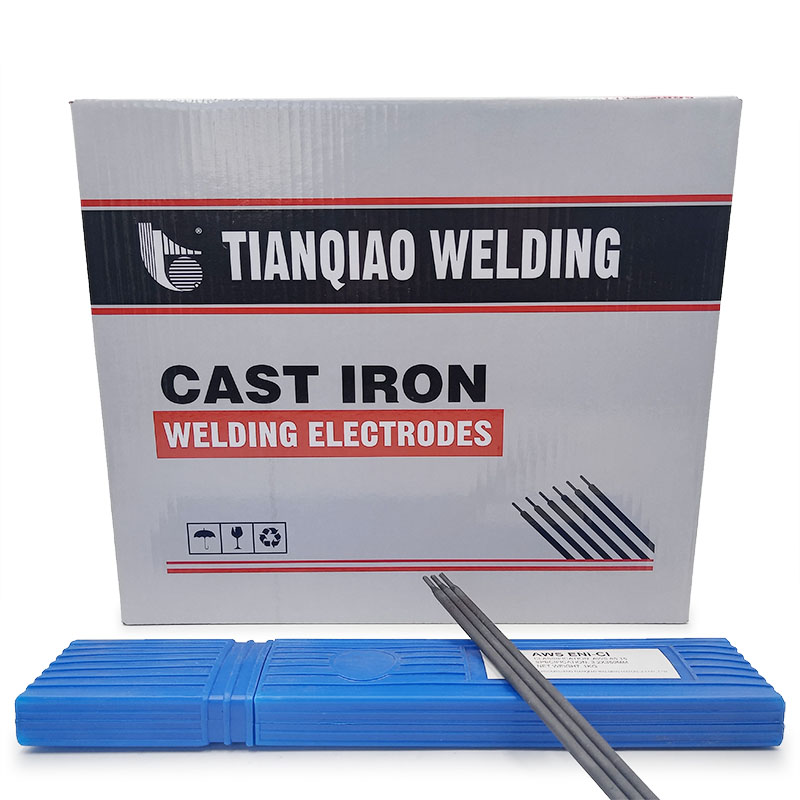
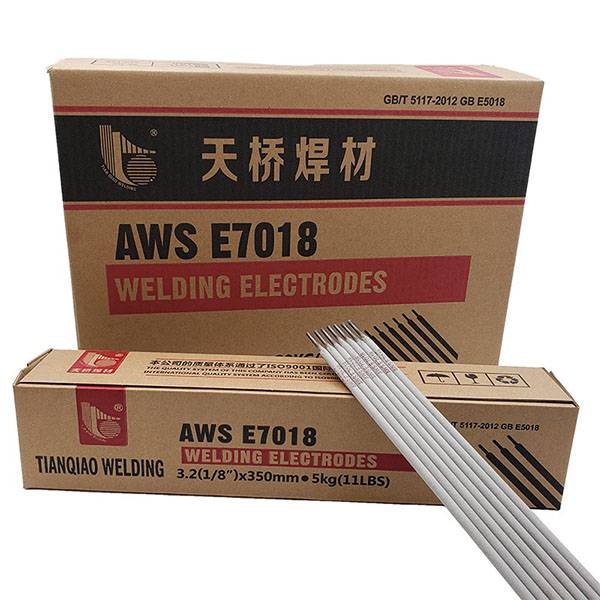
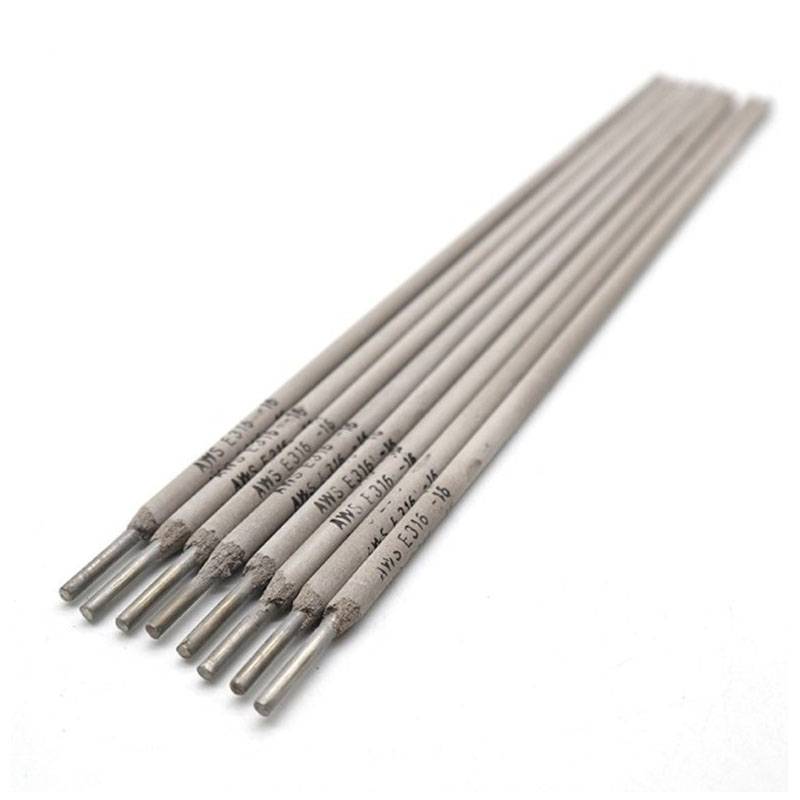
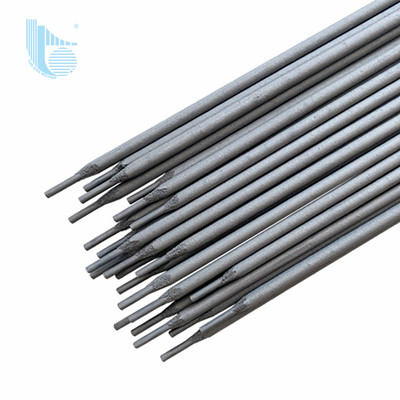
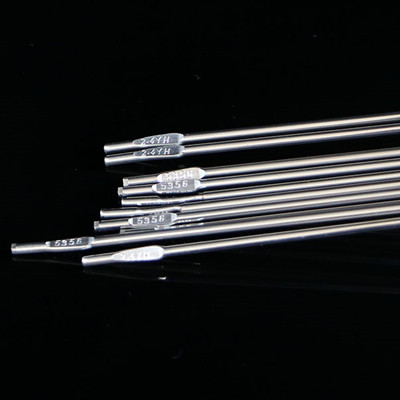
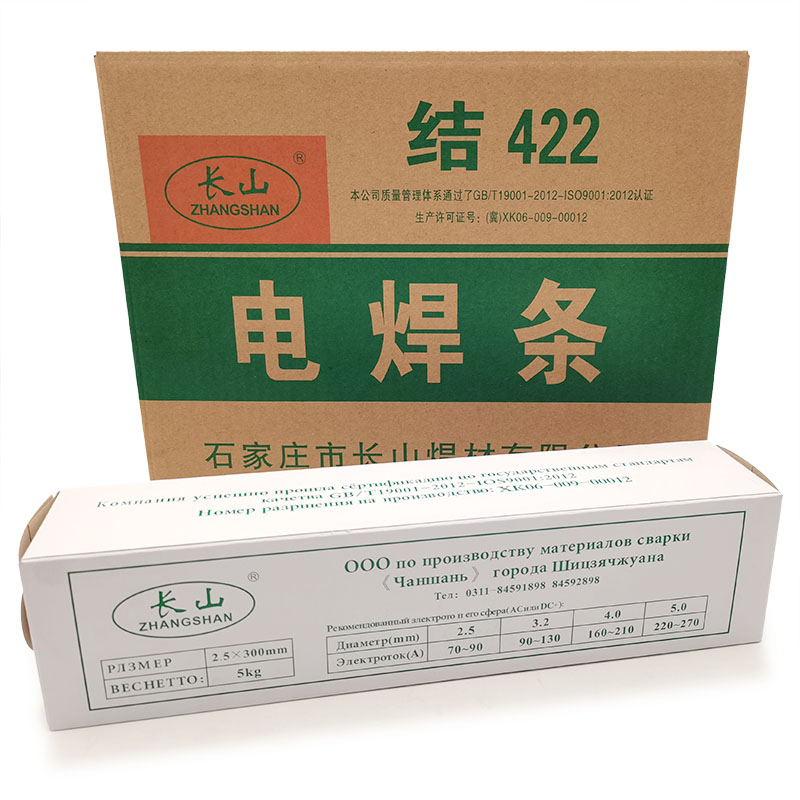
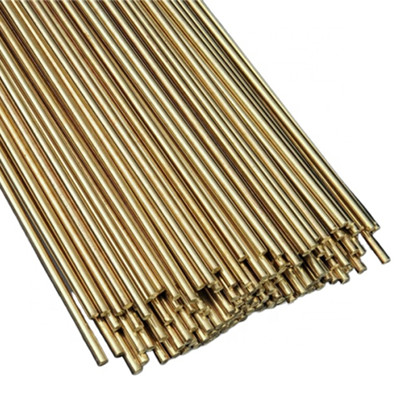
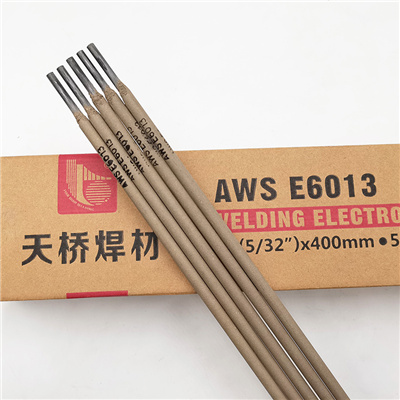
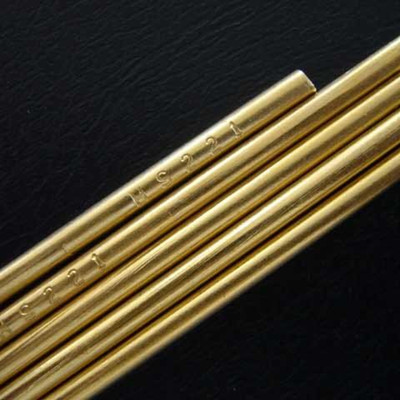
The welding electrode is a metal rod that is melted and filled at the joint of the welding work-piece during gas welding or electric welding. The material of the electrode is usually the same as th...
During fusion welding, under the action of the welding heat source, the liquid metal part with a certain geometric shape formed on the weldment by the molten electrode metal and the partially molte...
The weldability of metal materials refers to the ability of metal materials to obtain excellent welding joints using certain welding processes, including welding methods, welding materials, weldin...