
1. Different Welding Principles
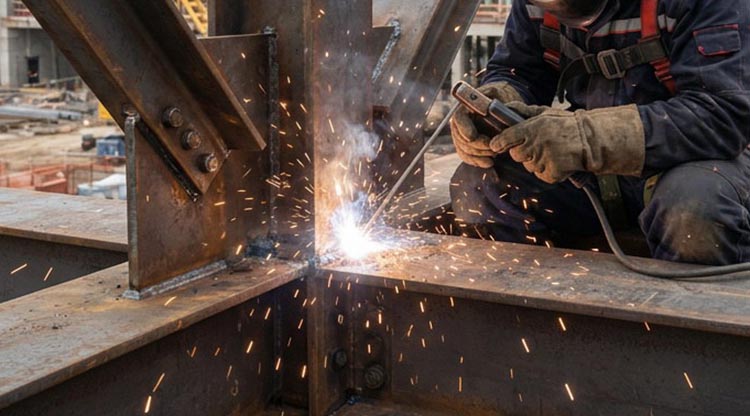
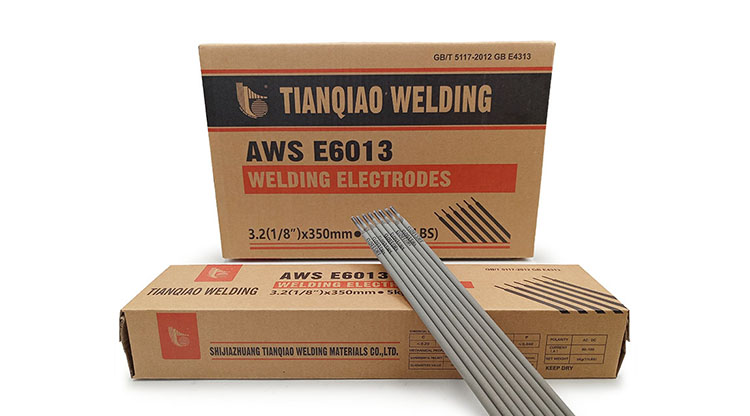
Manual Metal Arc Welding uses a flux-coated consumable electrode to generate an electric arc between the electrode and the workpiece. The heat melts both the electrode core wire and the base metal, forming a weld pool. As the electrode coating melts, it produces shielding gases and molten slag to protect the weld from atmospheric contamination. After welding, the solidified slag must be removed.
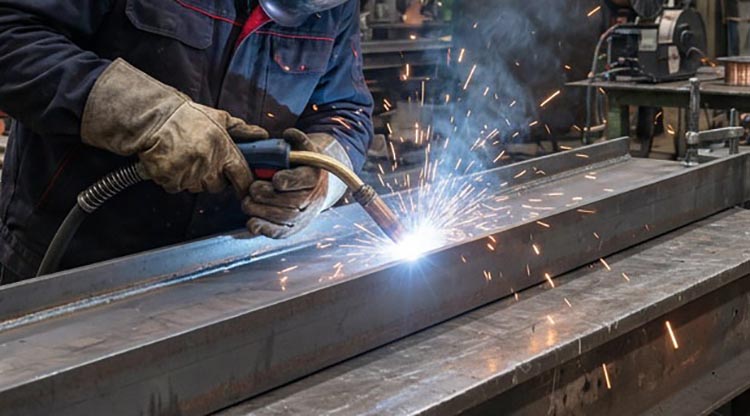
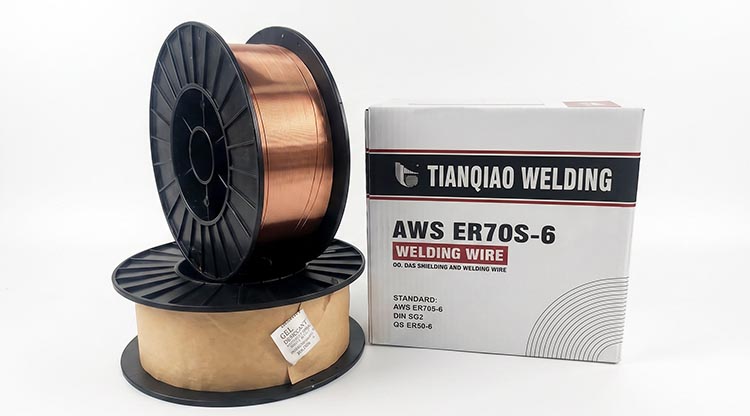
CO₂ Gas Shielded Welding uses a continuously fed solid welding wire as the electrode. Carbon dioxide gas is supplied through the welding torch to protect the molten weld pool from oxygen and nitrogen in the surrounding air. Unlike MMA welding, this process does not produce a conventional slag layer when solid wire is used. The wire is automatically fed from a spool, allowing continuous welding.
2. Equipment and Operation
MMA welding equipment is relatively simple. It generally consists of a welding power source, electrode holder, work clamp, cables, and welding electrodes. The welder manually replaces electrodes when they become consumed and controls the arc length and electrode movement.
CO₂ welding requires more equipment, including a welding power source, wire feeder, welding torch, gas cylinder, pressure regulator, and gas supply system. The welding wire is fed automatically, while the operator controls the torch movement and welding parameters.
Consequently, MMA welding is easier to transport and operate in locations where equipment access is limited. CO₂ welding requires a more complete setup but offers greater automation and welding efficiency.
3. Advantages and Disadvantages of MMA Welding
One major advantage of MMA welding is its excellent flexibility. It can be used outdoors, in workshops, on construction sites, and in locations where wind makes gas shielding difficult. Its equipment is portable, relatively inexpensive, and suitable for a wide range of steel structures.
MMA welding also offers a broad selection of electrodes for different materials, welding positions, and service conditions. Special electrodes can be selected for stainless steel, low-alloy steel, cast iron, and other applications.
However, MMA welding has several limitations. Electrodes must be replaced frequently, resulting in interruptions and lower productivity. Slag removal is necessary after welding, and operator skill has a significant influence on weld quality. Electrode consumption and stub losses can also increase material costs.
4. Advantages and Disadvantages of CO₂ Welding
The greatest advantage of CO₂ welding is its high deposition rate and continuous operation. Automatic wire feeding reduces interruptions and makes it particularly suitable for long welds and large-scale production.
It generally provides high welding efficiency, good penetration, and relatively low consumable costs. It is widely used in automobile manufacturing, steel fabrication, machinery production, and structural engineering.
Nevertheless, CO₂ welding also has disadvantages. Wind can easily disturb the shielding gas, making outdoor welding more difficult without wind protection. The equipment is less portable and requires a reliable gas supply. Spatter can be significant, particularly when welding parameters are not properly adjusted. Gas cylinders and wire feeding systems also require additional maintenance and handling.
5. How to Choose the Right Welding Method
The choice between MMA and CO₂ welding depends on the working environment, production requirements, material thickness, and available equipment.
- [!] MMA welding is generally a better choice for field repairs, outdoor construction, maintenance work, and projects involving frequent changes in welding positions or locations.
- [!] CO₂ welding is usually more suitable for factory production, repetitive welding operations, long weld seams, and large steel structures where high productivity is important.
In conclusion, neither method is universally superior. MMA welding offers portability, versatility, and independence from external shielding gas, while CO₂ welding provides higher productivity, continuous operation, and excellent suitability for mass production. Understanding their characteristics helps manufacturers and welders select the most economical and technically appropriate welding process for each application.
Post time: Nov-06-2026